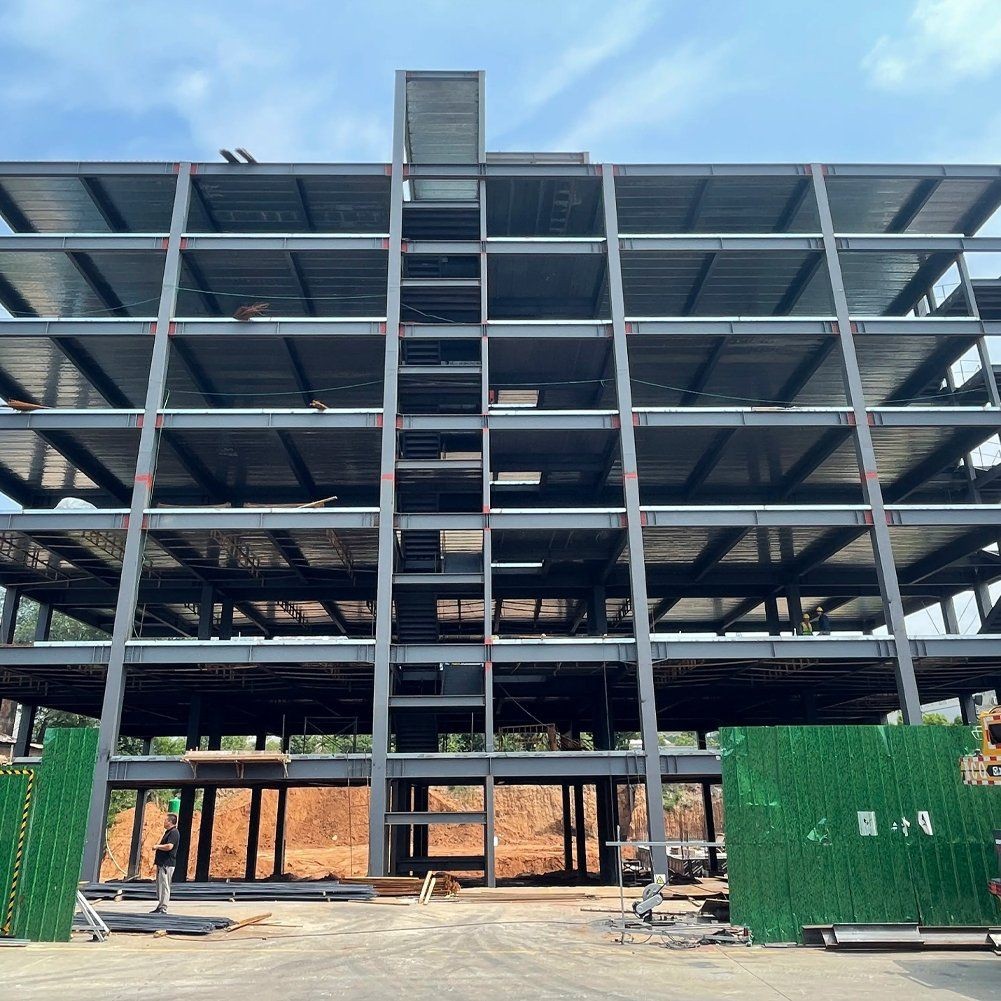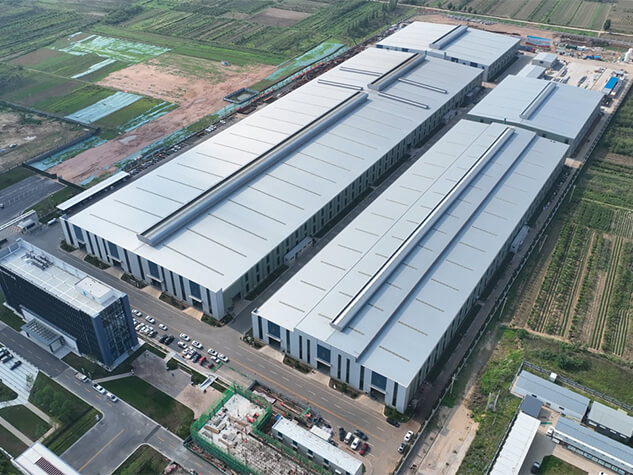
Large-Span Steel Warehouse with Fewer Interior Columns

Steel Structure Factory, Warehouse & Workshop

A portal or truss hall for wide storage, sized by span, drainage and loading—not by treating fewer columns as automatically cheaper.

Large-span stores use portal frames or roof trusses to keep aisles clear for forklifts and racks. A wider span usually means a deeper beam and more steel, so review it with the logistics plan. Roof drainage and gutters belong in the same decision.

Send the covering width, length, eave height, any mezzanine or canopy, and whether goods sit on the floor or in racks. Name the vehicle type if docks exist. Area without height only supports a rough guess.
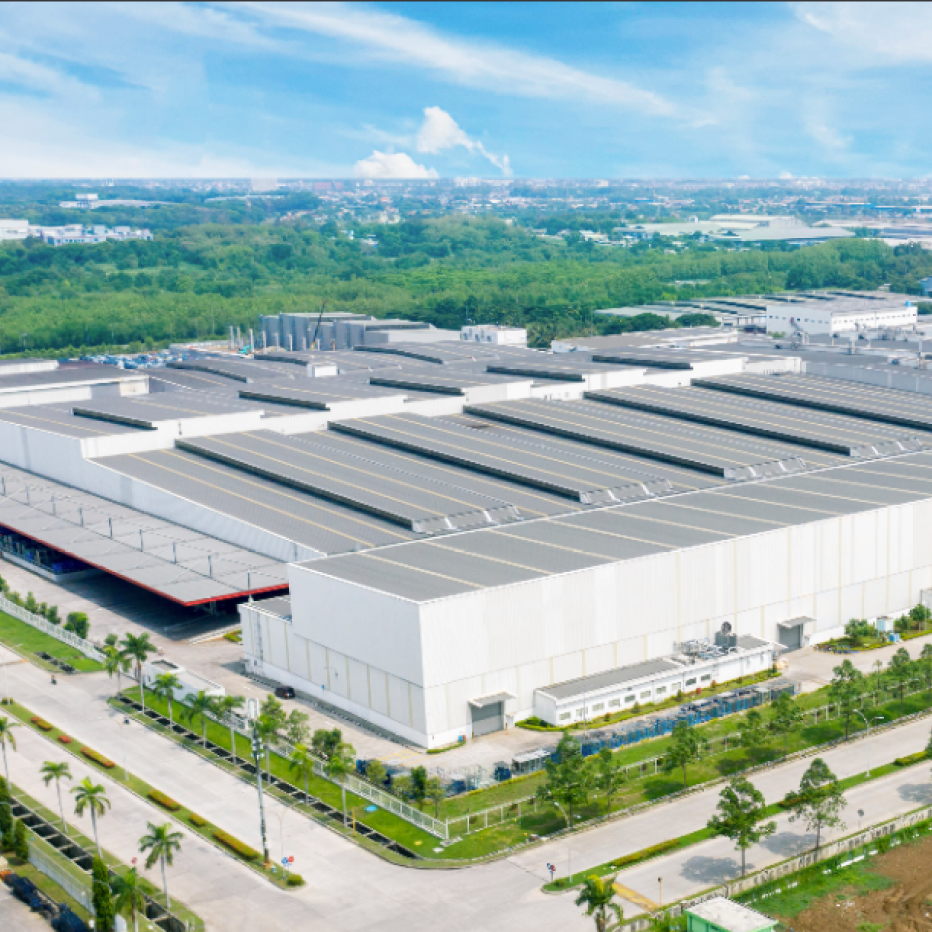
Large-Span Steel Warehouse with Fewer Interior Columns

Members are erected by mark. Over-length pieces change transport and must be said before cutting. Scheme tonnage is not a settlement basis.

This page explains the usual choice. Span and loads follow the design file; attach a sketch.

Tiankai Southeast fabricates marked members from approved drawings and supports erection by mark number. Sizes, loads and delivery follow the confirmed design file and contract; this page does not turn uncalculated tonnage, thickness or time into a promise.

  • Read span with the aisle plan
  • Send height, not area only
  • Flag over-length shipping early

Specifications

Goal Wider clear span
Roof By span
Floor load By owner
Delivery Shop + site erection

Related products

FAQ

  • What is the typical lead time?

    Lead time depends on drawing freeze, tonnage, coating and the production slot. After drawings are locked, standard jobs ship in agreed batches. Rush orders can be reviewed, but they do not override confirmed contracts. The schedule is confirmed in writing with the quotation.

  • Do you handle packing and export shipping?

    Members are marked, bundled or framed in erection order, with a packing list for site matching. Inland haulage and booking can be arranged under common terms such as FOB, CFR or CIF. Port, sailing and insurance are set in the contract. Oversized pieces should be flagged early so transport can be planned.

  • How are wind and snow loads decided?

    Wind and snow loads follow the project location, the local code and the owner design brief. There is no single default number. Please provide site, basic wind pressure, snow load, seismic data and roof live load. A first estimate can use the stated building use; fabrication follows approved drawings only.

  • How is export container loading arranged?

    Export jobs can be loaded at the plant or warehouse. Members are packed by mark for site matching. Container type and quantity depend on span, member length and packing. Please state the destination port and whether inland haulage is required. Insurance and destination clearance follow the trade terms.

  • Is there a minimum order?

    Most work is project-based and quoted by drawing and tonnage; there is no retail MOQ. Samples, repair pieces or small top-ups can be discussed, but price and lead time differ from volume jobs. Freezing main sizes early reduces stoppages and extra cost from drawing changes.

Send an inquiry